Our Approach
Modern healthcare has achieved extraordinary advances in diagnosis, treatment, and specialized care.
Yet many individuals still struggle to achieve meaningful progress toward their health goals.
The problem is rarely a lack of medical expertise.
Instead, modern healthcare has become increasingly specialized and fragmented, leaving patients responsible for coordinating complex health plans on their own.
Allied Integrative was created to address this gap.
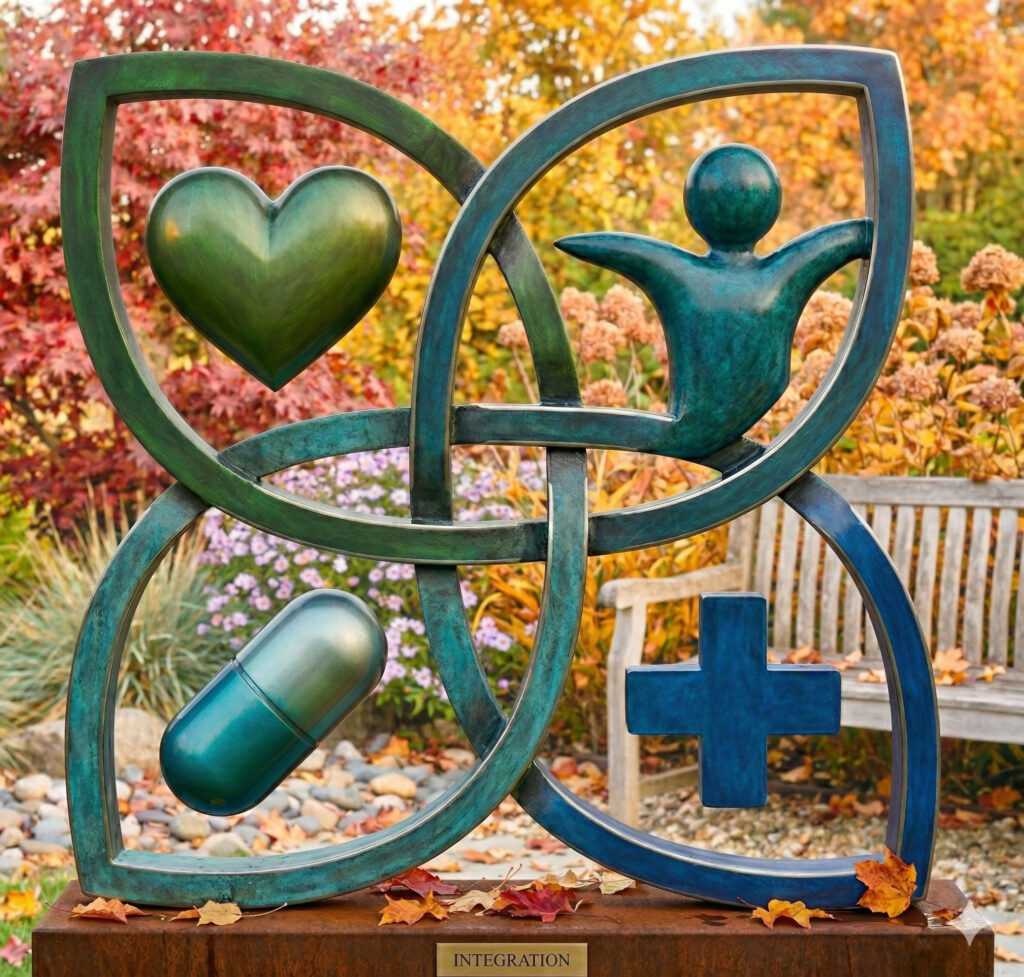
The Allied Integrative Model focuses on helping individuals organize, coordinate, and implement the many elements required to improve health outcomes.

Why Integrative Health Support Exists
Healthcare today involves many specialized professionals, each contributing important expertise.
Physicians diagnose and prescribe treatment.
Therapists guide rehabilitation and recovery.
Nutrition professionals support dietary change.
Other specialists address specific aspects of health.
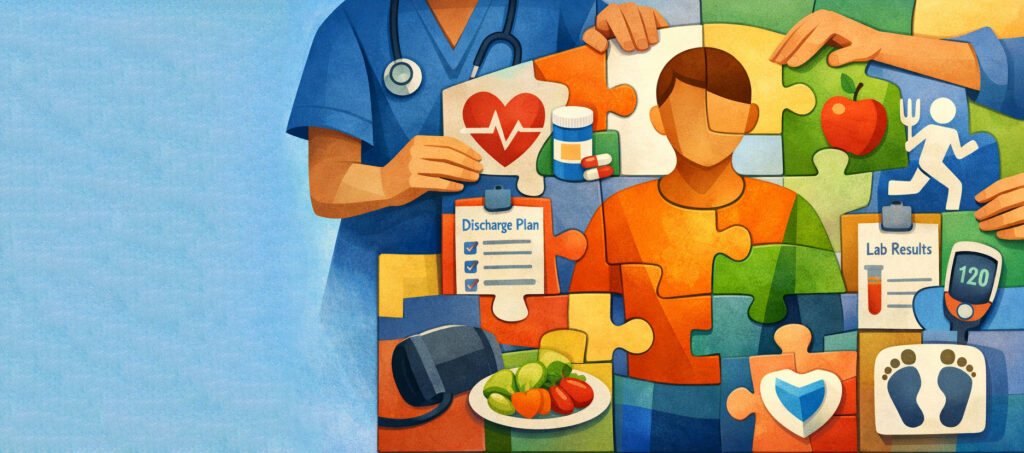
Each recommendation may be valuable, but patients are often left to connect the pieces themselves.
This can mean managing:
Multiple providers
Medications and treatment plans
Lifestyle changes
Recovery protocols
Long-term health goals
Even highly motivated individuals can struggle when these elements remain disconnected.
The Allied Integrative Model exists to help bring these pieces together into a structured and manageable system.
The Missing Layer in Healthcare
Traditional healthcare focuses on diagnosis and treatment, which are essential.
However, there is often limited support available for the ongoing process of implementing complex health plans in daily life.
Patients frequently become their own care coordinators — attempting to interpret recommendations, prioritize changes, and maintain long-term progress without structured guidance.
Integrative health support provides the missing layer that helps translate medical advice into consistent action.By organizing information, coordinating care, and supporting implementation, the Allied Integrative Model helps individuals move from understanding what to do to actually doing it.
The Allied Integrative Approach
The Allied Integrative Model is guided by several core principles.
Whole-System Thinking
Health outcomes are influenced by many factors working together.
Medical care, lifestyle habits, recovery strategies, and long-term health behaviors all interact to shape overall well-being.
Effective health improvement requires attention to the entire system rather than isolated interventions.
Implementation Matters
Medical recommendations only improve outcomes when they are implemented consistently.
Many individuals receive excellent guidance but lack the structure and support needed to translate that guidance into sustained action.
A key focus of the Allied Integrative Model is helping clients build practical systems that support long-term follow-through.
Coordination Improves Outcomes
Fragmented care can create confusion and stalled progress.
When healthcare providers and treatment strategies operate in isolation, patients may struggle to prioritize or manage their health plans.
Coordinating the different elements of care helps ensure that each part of the health plan works together toward meaningful progress.
Professional Expertise
Health guidance should be grounded in professional understanding of medical systems and patient care.
Allied Integrative works with licensed healthcare professionals who understand clinical environments, patient challenges, and the complexities of modern healthcare.
This allows integrative health support to remain aligned with professional medical standards while helping clients navigate real-world health decisions.
Patient Responsibility
Improving health outcomes requires active participation.
Allied Integrative provides structure, guidance, and professional expertise, but lasting change depends on the client’s commitment to implementing meaningful improvements.
Clients who benefit most are individuals who are ready to actively engage in the process of improving their health.
Long-Term Health Perspective
Sustainable health improvement rarely comes from short-term changes alone.
The Allied Integrative Model focuses on building systems that support long-term health, resilience, and continued progress over time.
A Network of Licensed Professionals
Matching the Right Professional to the Right Situation
Health challenges rarely fit into a single category.
Some clients may be recovering from surgery and working with multiple providers.
Others may be managing chronic illness while trying to rebuild strength and energy.
Some are pursuing ambitious long-term health goals.
Different situations benefit from different perspectives.
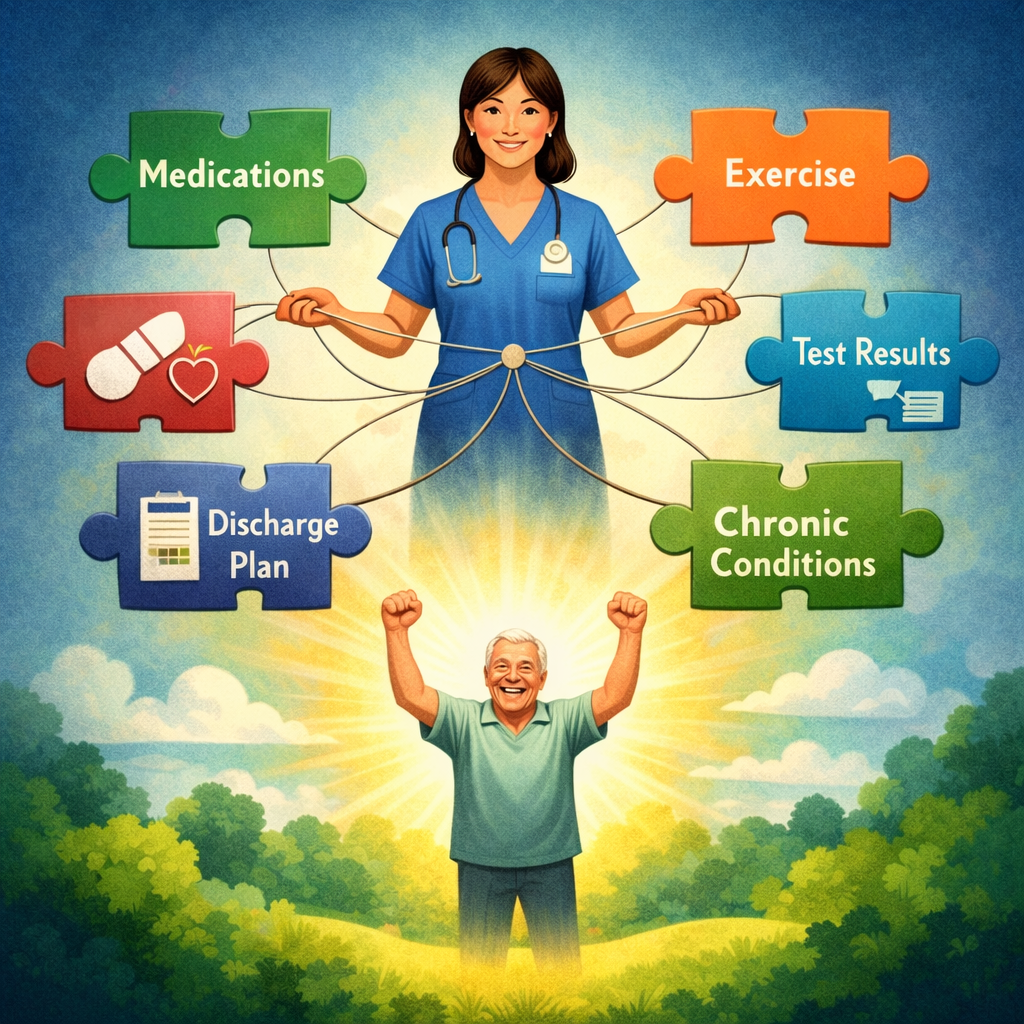
Allied Integrative connects clients with licensed healthcare professionals whose experience aligns with the client’s specific circumstances and priorities.
For example:
• clients managing complex medical diagnoses may benefit from professionals experienced in coordinating specialty care
• individuals focused on recovery and physical performance may work with professionals who understand rehabilitation and training environments
• clients who value spiritual or holistic perspectives can be matched with professionals who appreciate those dimensions of health
This matching process allows integrative health support to remain flexible while still grounded in professional expertise.
The goal is simple:
The right guidance for the right situation.
A Collaborative Role in Healthcare
Allied Integrative does not replace medical providers.
Instead, the role of integrative health support is to help ensure that the recommendations provided by healthcare professionals are understood, organized, and implemented effectively.
Nurse Coaching services are educational and supportive in nature and do not replace medical diagnosis or treatment. The goal is to help individuals transform complex health plans into meaningful progress toward their health goals.